
New Year Money Customs in Japan: What Is Otoshidama?
 Lio, Japanese Career Consultant (National license)
If you spend New Year in Japan, you may hear the word “Otoshidama.”(お年玉)
Many foreigners wonder: Do I need to give money? To whom? How much?
The short answer is: in most cases, foreigners do not need to worry about it at all.
Let’s explain what Otoshidama is and how it works in Japanese culture.
What Is Otoshidama?
Otoshidama (お年玉) is a traditional New Year custom in Japan where adults give money to children as a New Year gift.
It is usually:
- Given when visiting relatives during the New Year holidays
- Placed in a small decorative envelope called a “noshi-bukuro”
- Handed directly to the child, often with a short greeting
Otoshidama is not a casual gift—it is a long-established family custom.
In My Childfood
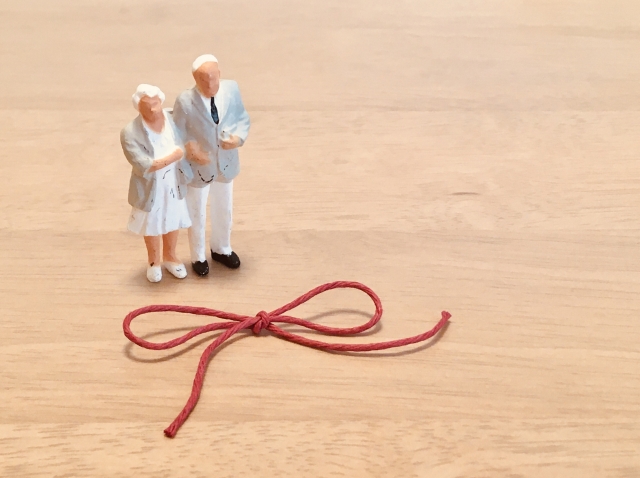
When I was a child, I actually wanted to stay home and play video games during the New Year holidays.
However, visiting relatives meant receiving Otoshidama, so I happily went from one relative’s house to another.
After receiving Otoshidama, what happened next depended on the family.
In some households, parents took the money and forced their children to save it.
In others, where parents were more hands-off, children immediately spent the money on video games.
Seeing these different New Year scenes in each household was always interesting.
During this season, it’s also common to see children proudly holding many Otoshidama envelopes, looking completely satisfied.
Lio Author
Representative / BANSO Works
I am a Tokyo-born Japanese professional writer with a bachelor’s degree in intercultural communication, and I have lived in five countries.
I am also a nationally certified Career Consultant in Japan, with practical expertise in behavioral psychology.
In addition, I have hands-on HR experience at four major Japanese companies.
This combination of academic training in intercultural communication and extensive professional experience allows me to provide practical, experience-based insights into Japanese workplace culture.
Who Gives Otoshidama?
In general, Otoshidama is given by:
- Parents
- Grandparents
- Aunts and uncles
- Close relatives
It is not given to:
- Friends
- Coworkers
- Students
- Juniors
- Neighbors’ children
⚠️ Important:
Giving Otoshidama to non-family members may feel strange or awkward in Japan.
How Much Money Is Usually Given?
The amount depends on the child’s age. These are common, informal guidelines:
- University students: around 10,000 yen
- High school students: 5,000–10,000 yen
- Elementary & junior high school students: 3,000–5,000 yen
There is no strict rule, but giving age-appropriate amounts is important.
Do You Need to Give Otoshidama as a Foreigner?
For most foreigners, the answer is no.
If you:
- Do not have Japanese relatives
- Are not part of a Japanese family gathering
👉 You are not expected to give Otoshidama.
In fact, giving money to:
- Your students
- Your juniors
- Your friends’ children
may be misunderstood, so it’s better not to do it.
Why You Should Be Careful
In Japan, Otoshidama is:
- A family-based tradition
- Closely tied to relationships and hierarchy
Giving it in the wrong context can:
- Make people uncomfortable
- Create confusion
- Feel socially inappropriate
When in doubt, do nothing—that is perfectly acceptable.
A Simple Rule to Remember
No relatives, no Otoshidama.
For foreigners living in Japan, enjoying the New Year peacefully without worrying about Otoshidama is completely fine.
Final Thoughts
Otoshidama is a warm and meaningful Japanese tradition—but it is not something everyone needs to participate in.
Understanding the custom is useful, but there is no obligation for foreigners unless you are part of a Japanese family.
Relax, enjoy the holidays, and experience New Year in Japan in your own way.